



The Case for Slower Mornings at Home
Somewhere along the way, mornings became a race. The alarm goes off, the phone comes out, and before you have had a chance to fully wake up, you are already behind. It is a hard pattern to break, but it is worth breaking, and the home itself can help.
Slower mornings do not require getting up at five or adopting an elaborate routine. They require a little bit of setup the night before and a willingness to protect the first thirty minutes of the day from noise. The payoff is not productivity, exactly. It is a sense of steadiness that carries into everything else.
Setting the Stage the Night Before
The easiest way to have a calm morning is to make a few decisions before you go to bed. Set out the mug you actually like. Clear the kitchen counter of the day's clutter. Put the phone on a charger in another room, or at least face down and out of reach. If you drink coffee or tea, prep what you can so the ritual is simple rather than a project.
Light matters too. If you have a lamp on a timer or a smart bulb, set it to come on softly before your alarm. Waking up to warm light instead of a dark room and a blaring phone changes the whole feeling of the first few minutes.
Small Rituals That Anchor the Day
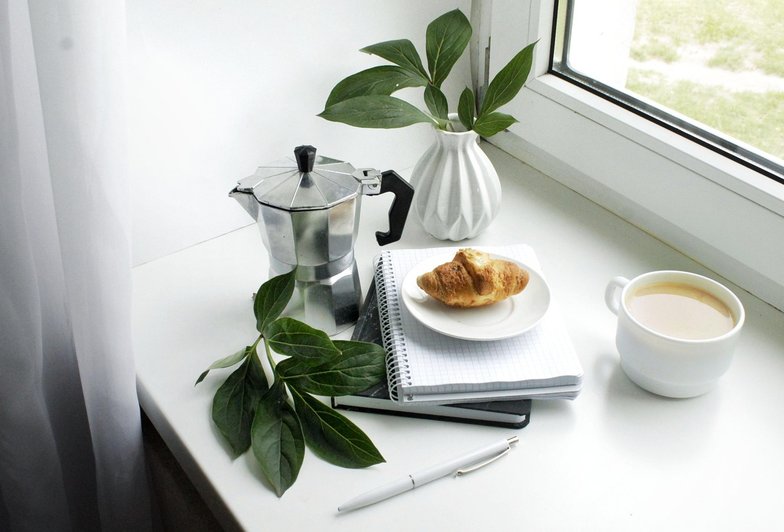
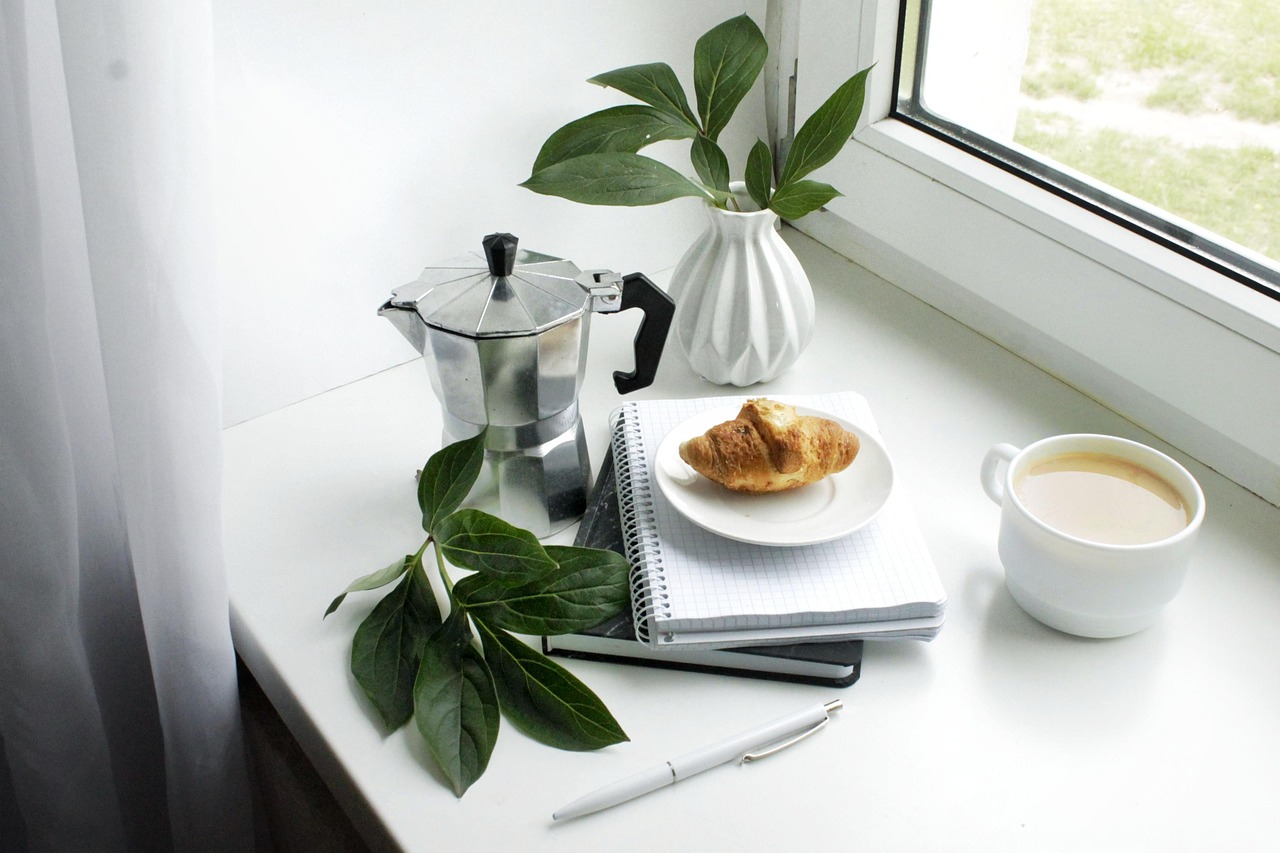
The rituals themselves can be almost anything, as long as they are yours. Making a pot of coffee and drinking the first cup standing at the window. Reading a few pages of a book instead of scrolling. Opening the back door to let in cold air for a minute. Watering a plant. Writing one line in a notebook.
The point is not the activity. It is the repetition. Over time, these small actions become a signal to your nervous system that the day is beginning on your terms, not on someone else's.
It also helps to make the space itself pleasant. A clean dish towel, a candle on the counter, a chair pulled close to the window, a blanket on the back of a chair. These are not indulgences so much as invitations. They say, sit down for a minute. You have time.
You will not get every morning right. Some days will be chaos, and that is fine. But the more often you practice a slower start, the more it becomes the default, and the more your home starts to feel less like a place you pass through and more like a place you actually live.







A few small rituals can turn the first hour of the day from a scramble into something you actually look forward to.
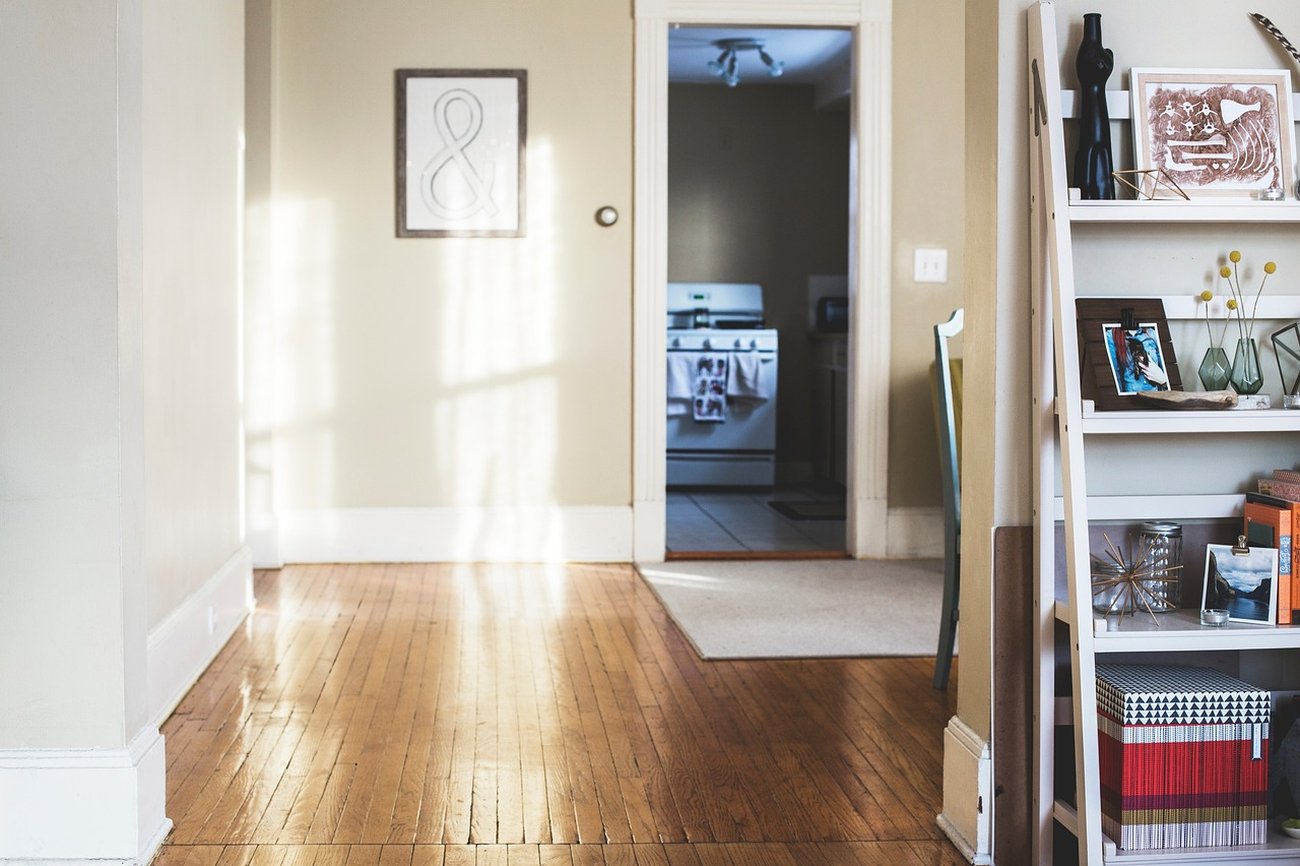
A narrow entry can still feel warm and functional with a few smart choices about storage, light, and texture.
A chair, a lamp, and a little quiet are all you need to create a reading corner that actually gets used.
How to build warmth into every room with throws, wool, and well-chosen texture as the leaves turn.
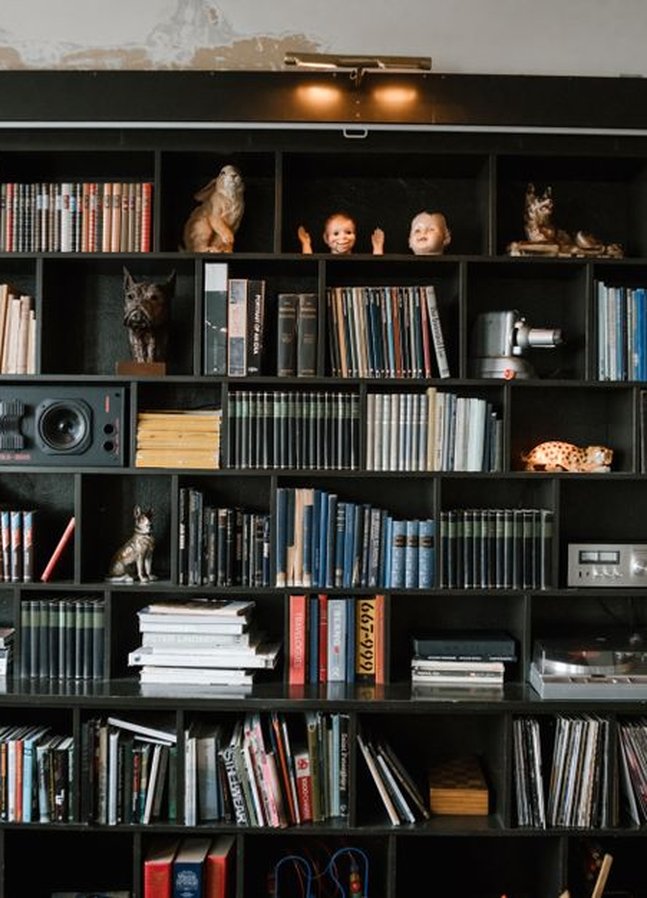
Styling shelves with old books, found objects, and a little restraint for a room that feels lived in.